People
Marginalized Rituals: Gana Baja and the Gandas of Western Odisha
Marginalized Rituals: Gana Baja and the Gandas of Western Odisha
Volume 58 · March 2024
Volume 58 · March 2024
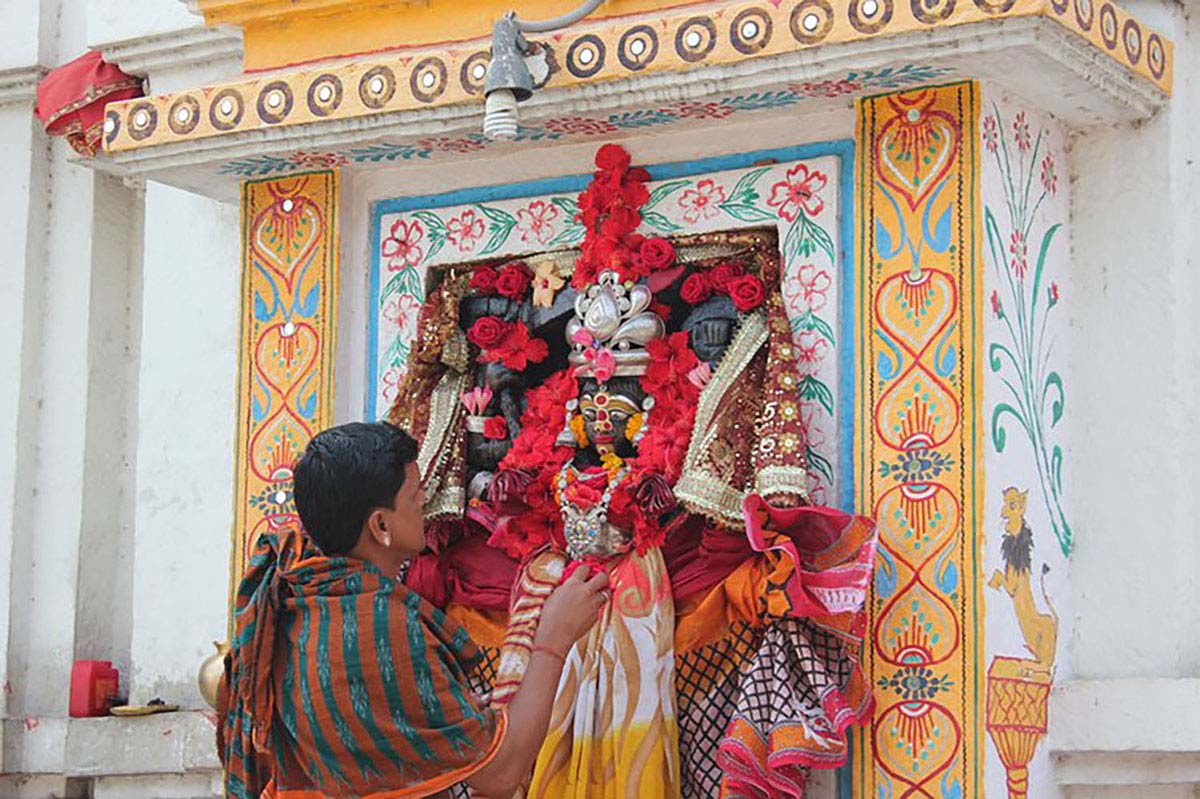
Please briefly introduce the ICH community in focus. The Gandas occupy the Mahanadi belt in Odisha, India, spread across a sizable region in Chhattisgarh and Jharkhand. Recognized as a large scheduled caste Dalit society, these communities dwell in the low-lying hilly regions in the Eastern Ghats of India and are better known as the “highlanders,” as explained by German anthropologist, George Pfeffer. Myths about the Gandas being the original Mahanadi river civilization are widespread; however, their relationship with the “mainstream” was never conflict-free. The system of rule was not feudalistic; however, they did call their clan leader raja, or king. They were the initial agriculturalists and weavers of the valley, who brought instigated a culture by taming the nature in the region. Please explain the element that your ICH community is practicing. Music has remained an integral part of Ganda culture, a medium of their religious expression. Gana-Baja (literally translating as the “music of the ‘Gana’,” a caste identity associated with the Gandas) is a musical practice that is enjoyed during several religious and social ceremonies across Western Odisha. The art does not confine itself to the boundaries of the highlanders but is also a major part of mainstream Hindu-Brahmanical practices. The music becomes important especially during the Boil ritual, a practice of goddess embodiment and ritual healing enacted by the Gandas at the time of Dussehra and sixteen days prior. Through each rhythm produced by the different instruments used during the ritual, also known as Par, various Hindu goddesses are invoked in the body of the Hindu priest. The community assumes a status that is granted by the supernatural; ironically, the socially powerless become the bearers of the strength and uncontrolled divine powers feared by the rest. The music is a jargon for associating spiritual connections with nature and the village goddess; hence, an expression of cultural identity, making the Ganda musicians mediators between the heavenly and the common folk. The ritual music is complemented with a ritualistic dance called Dalkhai, signifying the appearance of the goddess in the body of the priest. The priest himself becomes the dancing goddess while the Dalkhai patterns are integrated into the performance of goddess worship. The dance patterns indicate the dialogue of trance medium and goddess, as observed by the head priest of the village in the allegiance of their village deity. The erotic power of the dance symbolizes the power of fertility ascribed to all boil rituals. Along with the music played by the Ganda musicians, the dance takes the form of a procession followed by the musicians and the priest in a trance as he has been embodied by the spirit of the goddess, who go around the village blessing people, especially women experiencing fertility issues.