People
ICH Youth Preservation of the Lion Dance
ICH Youth Preservation of the Lion Dance
Volume 59 · June 2024
Volume 59 · June 2024
___Can you tell us about the origins and cultural significance of the lion dance in Singapore?
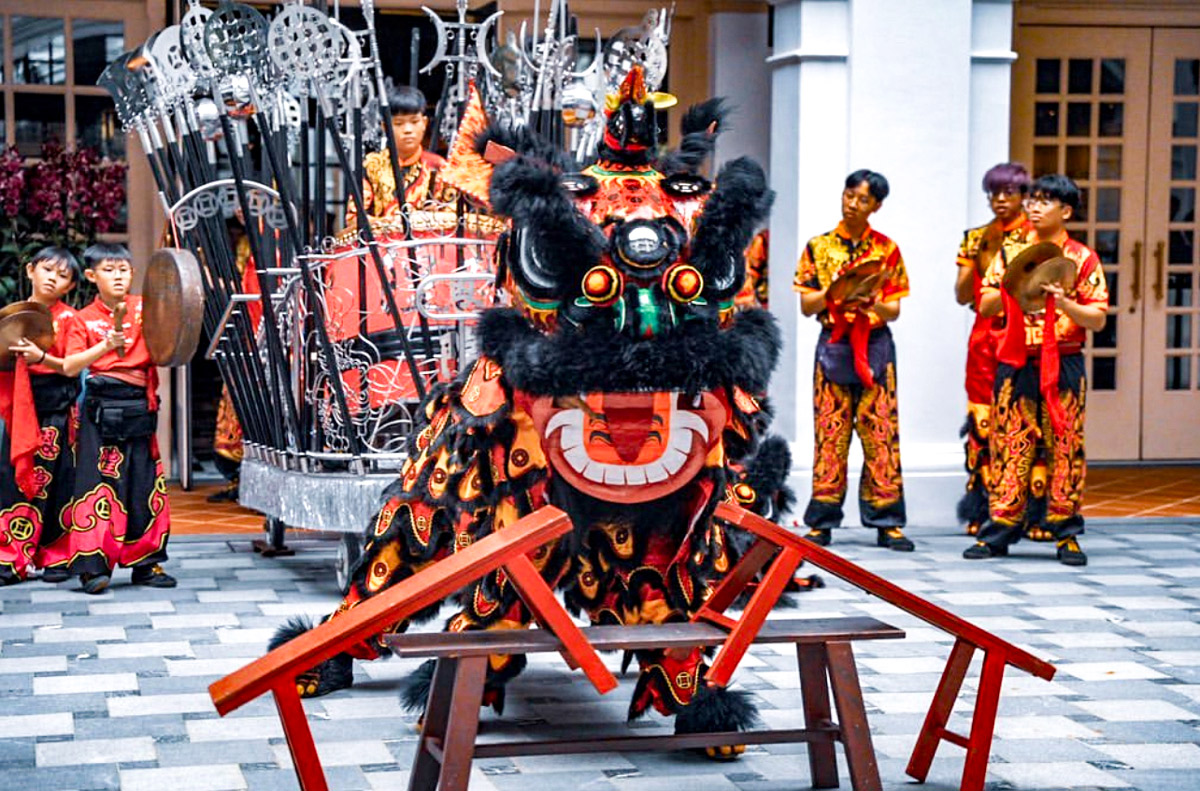
Perhaps one of the most commonly seen events during Chinese New Year celebrations in Singapore, the lion dance is known to bring good luck and prosperity to all who encounter it.
Long associated with kung fu, the lion dance requires mental and physical strength, as well as a strong stance, and discipline. The lion dance originated in the 1800s in Singapore, finding its way through the birth of Chinese clans, which offered solace and promises of brotherhood to newly arrived immigrants. Clan associations formed based on locality, dialect or surname.
___How did the perception of lion dance troupes change over the years?
Fast forward to the 1960s in Singapore – there wasn’t much entertainment available, so youths tended to gravitate towards joining a lion dance troupe, as it was seen as being “cool.”
Parents looked very negatively on lion dance clubs at that time, as it bore the stigma of being associated with triads, gangsters and secret society activities.
To break the taboo that the lion dance troupes were shrouded in and to evolve with the times to attract younger generations, lion dance competitions were introduced. A popular national lion dance competition, held annually in public at Ngee Ann City forecourt on Orchard Road since 1995, encourages interest amongst the younger generation, who are drawn to the cool martial arts movements and incredible feats the lion dancers showcase.
___What role do lion dance troupes play in the lives of young people today, and how do they benefit from joining?
Student disciples and members of the troupe come from all walks of life. Some of them are from broken homes or have personal issues; for them, joining the lion dance troupe serves as a needed distraction, giving them direction while encouraging discipline.
Training the youths in the ICH craft that is the lion dance enable thems to exercise perseverance, and learn the art form with the correct mindset. In the process, the youngsters learn about respect, sportsmanship, teamwork, and the importance of compromise, as well as what it takes to pass on the cultural treasure of this ICH performance art to the next generation.
The troupe provides a sense of belonging as well as recognition for these youths. If they run into any difficulties, there is the team and the troupe leader to fall back on for advice as well as help.
___What role do lion dance troupes play in the lives of young people today, and how do they benefit from joining?
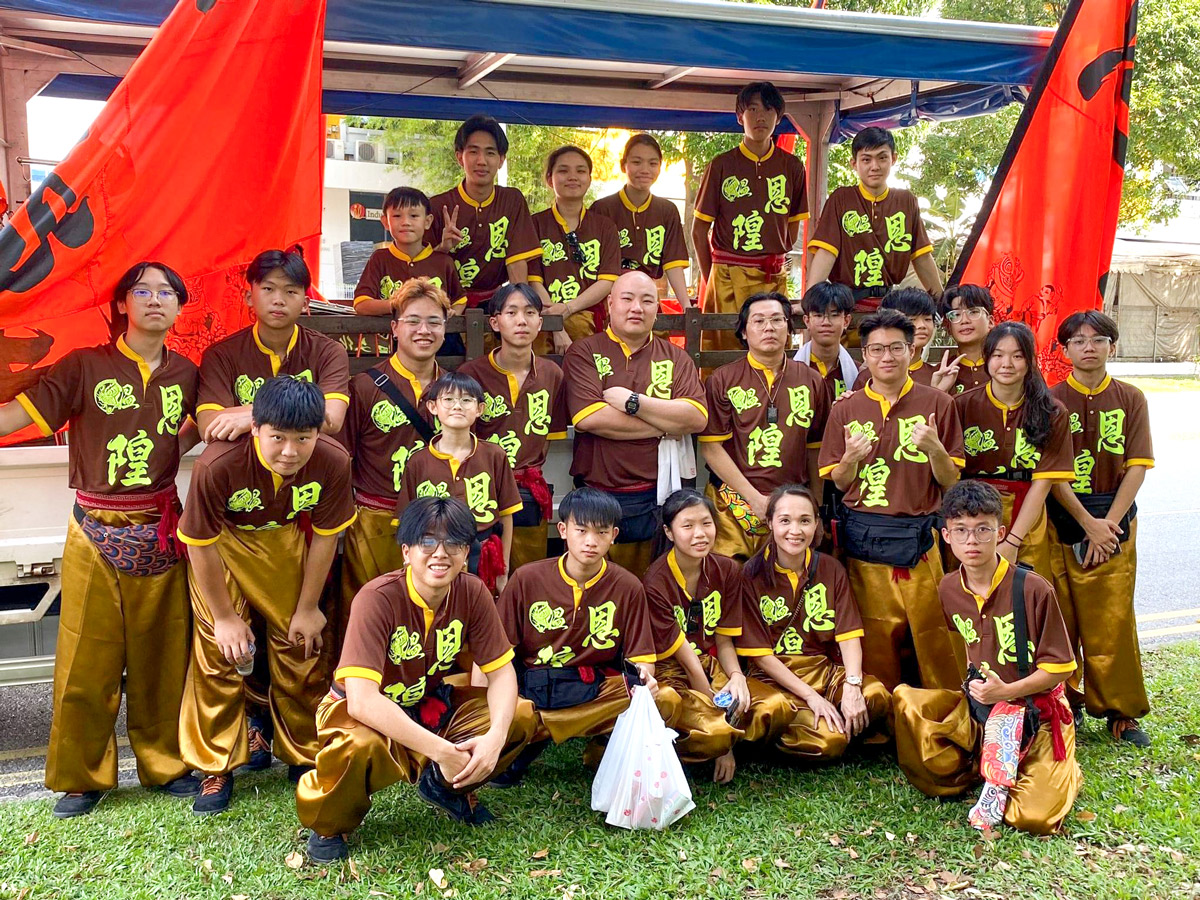
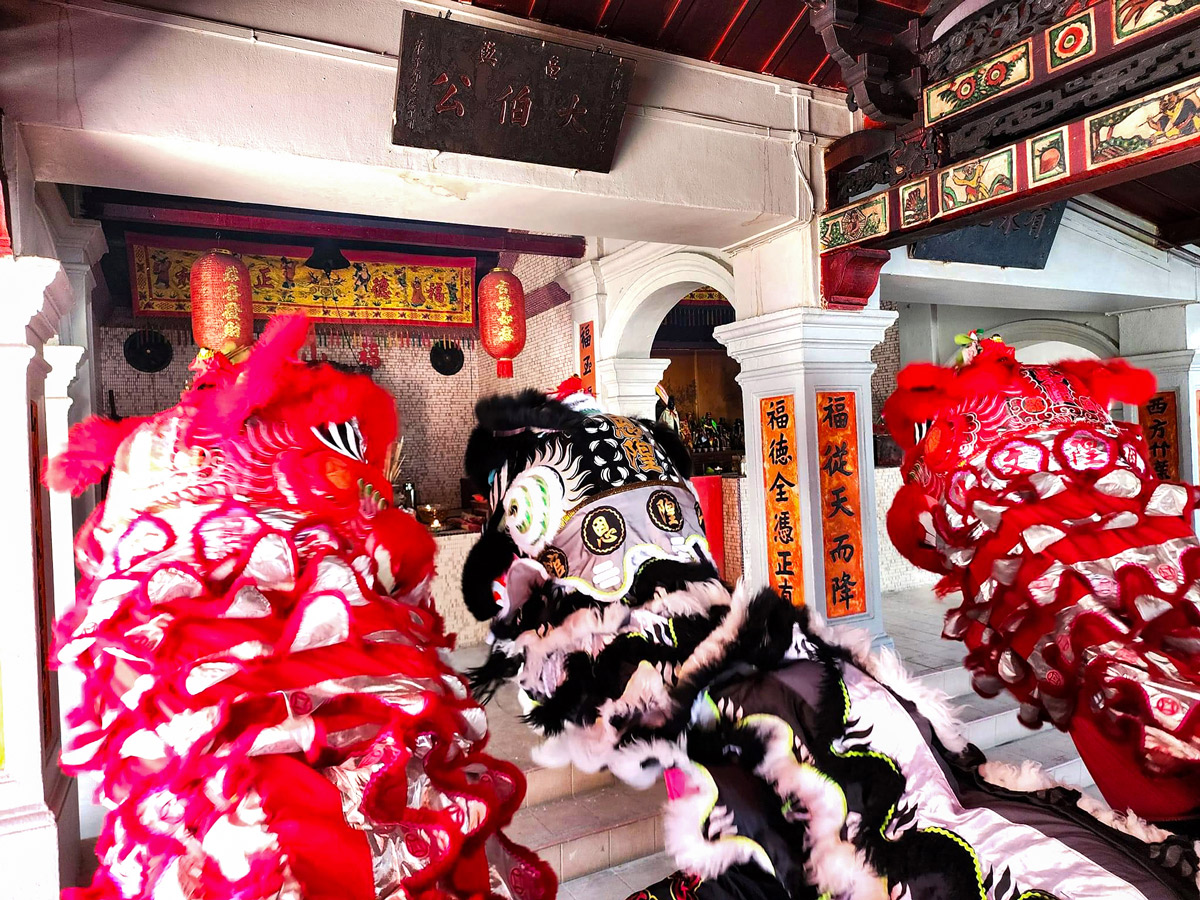
I would like to share the story of Eugene Wan (44), a coach and director of the Yan Wong Cultural Troupe in Singapore. He sees it as his role as guiding youngsters along the right path, providing much-needed support as well as advice. He also tries to show them how to be better people, telling them not to repeat the mistakes he made in his younger days.
“I do not enjoy the esteem of being called their shifu just because I teach them the intricacies of the lion dance, but the significance of the role I play in shaping their personalities and character is irreplaceable,” he said.
Wan has been a positive influence and an important resource. Running a troupe of 34 members, including 4 girls, he has challenged them academically, athletically, and spiritually, providing inspiration to succeed and to reach their potential in many areas.
“I’m fulfilling the role of a big brother, inspiring them to do their best in each part of their lives, and as a mentor, supporting them in times when they have struggled,” he said.
Wan’s role as one of the key drivers in getting youths to learn an ICH traditional like the lion dance is commendable. All of his work is voluntary and he recieves no compensation.
___Is there any advice you would like to share with those interested in learning lion dance?
Eugene Wan and his troupe embody the values of creativity and respect for the cultural traditions of lion dance. These members have formed a bond based on courage and determination, dedicating themselves with sweat, blood, and tears to a craft that defies gravity. Performing the lion dance publicly requires rigorous martial arts training, demanding physical endurance—a challenge for today’s younger generation, who often prefer gaming or spending hours on social media. Yet, lion dance transcends mere performance; it’s an art deeply rooted in culture and tradition. Learning lion dance entails more than mastering technique; it involves understanding its profound meanings and values.