People
The Role of Creolization in the Cultural Fusion of Caribbean Intangible Cultural Heritage
The Role of Creolization in the Cultural Fusion of Caribbean Intangible Cultural Heritage
Volume 61 · December 2024
Volume 61 · December 2024
1. What role does the fusion of diverse cultural influences play in shaping Caribbean intangible cultural heritage (ICH)?
Caribbean cultural heritage evolved from the interplay of diverse populations within a comparatively short span of time following colonization. While the strongest and most meaningful cultural heritage for the population became ingrained and remained embedded, it was impacted by both the environment and interactions with other heritages, enabling syncretization. Processes of both colonization and creolization provided opportunities and constraints, fostering the retention, reinvention and perpetuation of the region’s intangible cultural heritage (ICH).
2. How has the history of migration—both voluntary and forced—impacted the resilience and evolution of Caribbean cultural identity?
Migration, whether forced or voluntary, is characteristically restrictive in what can be carried from the point of origin to the destination. Limitations on physical belongings, however, did not extend to psychological and intellectual signifiers like memory and practice, which are almost limitless, with external forces being the primary barriers to transmitting property, skills, knowledge, and practices. Regional cultural practices often intermingled diverse factors, holding onto customs and traditions as mobile markers of identity. Fearing these “signaled” danger, authorities sought to suppress them, while practitioners deliberately disguised and transmitted them inter-generationally. For instance, drumming survived despite fears of its fostering resistance, while the use of medicinal herbs for traditional healing was widely accepted and even utilized by colonizing populations. Assimilationist strategies adopted by colonists sought to control communities by confining their knowledge and skills to exploitative labour processes.
3. Can you elaborate on how the Caribbean’s unique process of “creolization” reflects in ICH expressions like language, music, and festivals?
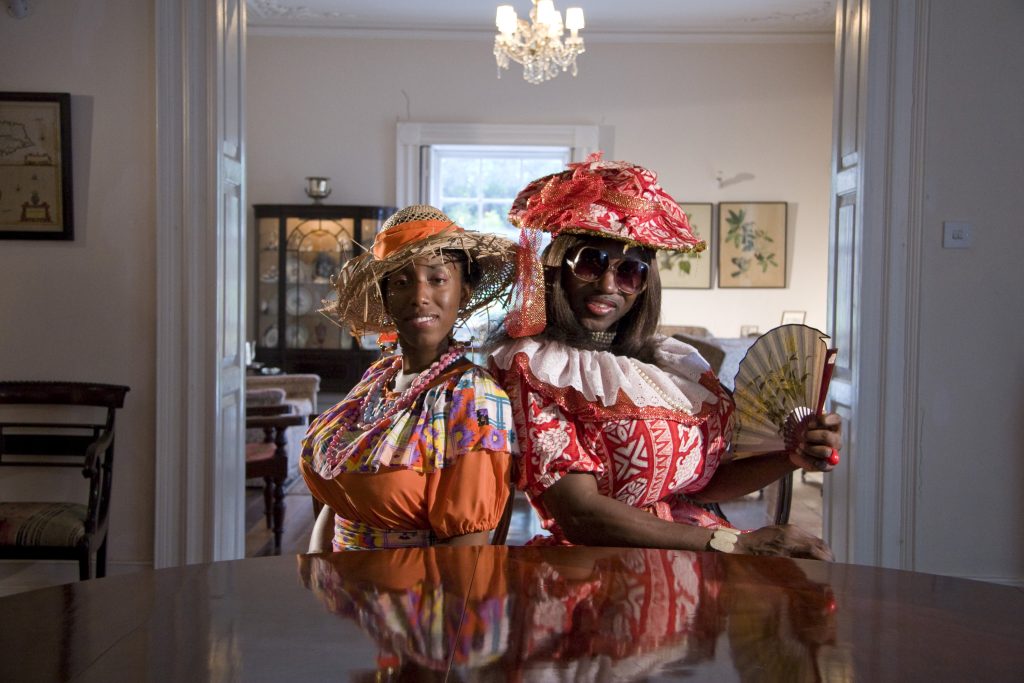
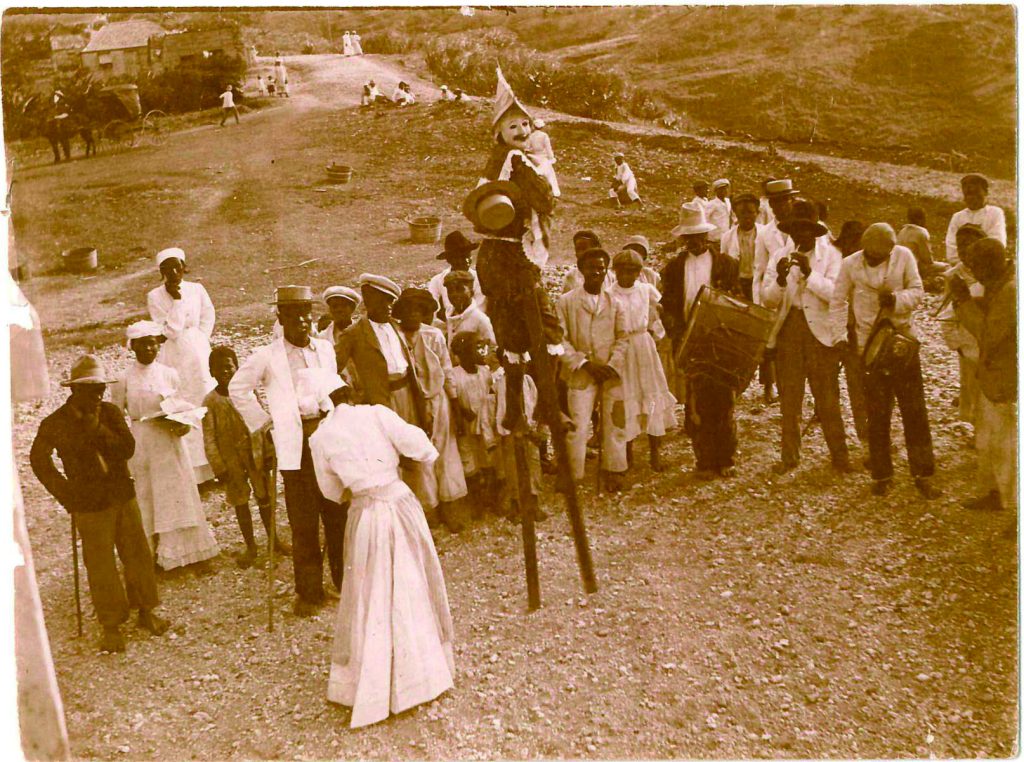
The Caribbean exists almost entirely as a multivocal society, where the population is immersed informally in vernacular daily living while engaging in formal interactions originating in colonial governance structures. Most inhabitants move fluidly between these realms, having been educated in the latter while growing up in the former. Now inseparably intertwined, people often overlook how they instinctively “code switch” between cultural signifiers, navigating between formal and informal environments. In the 21st century, Caribbean governments, largely led by majority black populations, increasingly recognize the intrinsic value of traditional culture as markers of identity. ICH is prominently expressed in vernacular forms like kweyol and patois and through street festivals such as jonkonnu, cropover or carnival, originally performed as a means of release or escape for the lower classes. Today, traditional practices and craftwork, vernacular expression and syncretic spiritual forms, having evolved through creolization, now resonate through contemporary interpretations by visual, performance, and spoken-word artists.
4. What challenges do Caribbean communities face in safeguarding traditional practices, especially those that were historically suppressed?
Cultural practices, historically suppressed as socially unacceptable, now attract national investment and sponsorship, promoting certain forms such as festivals which can generate much-needed revenue for small island developing states (SIDS). However, a tenuous balance exists between promoting ICH to tourist markets and safeguarding it from appropriation, sanitization, distortion, and dilution. These pressures risk stripping cultural value for local populations, who often depend on these practices for income. Addressing such challenges requires capacity building, community co-curatorship, and public education focused on youth to ensure sustainable safeguarding efforts.
5. How does Caribbean ICH support global understanding and connect Caribbean diasporas to their cultural roots?
Caribbean diasporas around the globe practice and engage with ICH, showcasing these cultural expressions through festivals, traditional cuisine, contemporary art, and allied church congregations and sports teams. Increasingly, many return to explore their roots, connecting the communities they have settled in with unique Caribbean ways of knowing and understanding life. These interactions promote global cross-cultural understanding through diasporic communities in Africa, Australasia and Europe, helping SIDS achieve Sustainable Development Goals (SDGs) such as “peace, justice and strong institutions” and “sustainable cities and communities.” Cultural diversity remains one of humanity’s best hopes for reparative justice, peaceful coexistence, and sustainable living.
6. Do you have any unique insights or focal points you’d like to highlight?
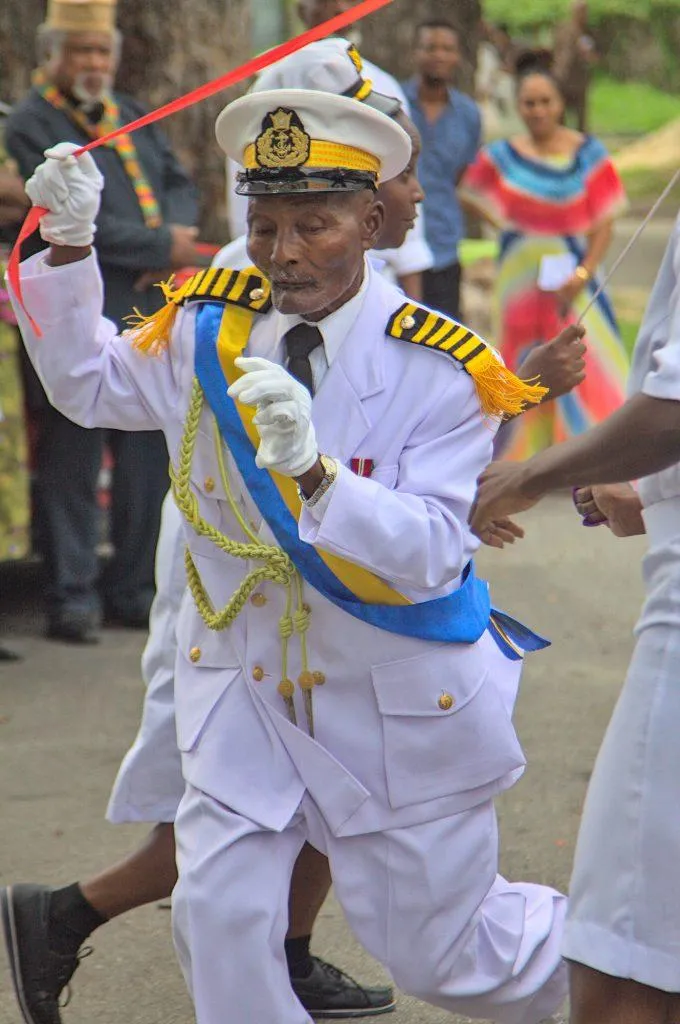
Powerful exemplars of Caribbean ICH underscore the factors discussed above. Barbados’ Landships represent one such phenomenon, activated amongst the working class, rooted in a creolization process, which popularized the adoption and adaptation of the ranks, uniforms, and marches of the British Navy, combined with African-originated tuk rhythms and movements. The organization also facilitated communal fund gathering through the African tradition of sou sou (su su) or meeting turn, a rotating savings and credit system often seen as the precursor to today’s credit unions, which flourished in post-colonial societies giving agency to oppressed communities. This blend of cultural elements from colonizer and colonized evidences the foundational impact of migration- both forced and voluntary- on its emergence. For Barbadians, Landship practices represent survivance strategies where each new generation depends on reinvention or recreation in new locations to address modern challenges, even as its more fragile elements are lost.